Discovering Cape May’s Forgotten Silent Movies
Some of the Silver Screen’s biggest and brightest stars have headlined movies shot in Cape May... Robert Mitchum, Timothée Chalamet, Florence La Badie. Wait... Florence who?
In a forgotten fragment of Cape May history, leading lady La Badie and a talented troop of actors from NY-based Thanhouser film studio arrived here in August 1913 to make six silent “Cape May By-the-Sea” movies. For nearly 100 years, none of the short comedy films (11-15 minutes each) were believed to still survive — until a remarkable discovery in 2010 in New Zealand.
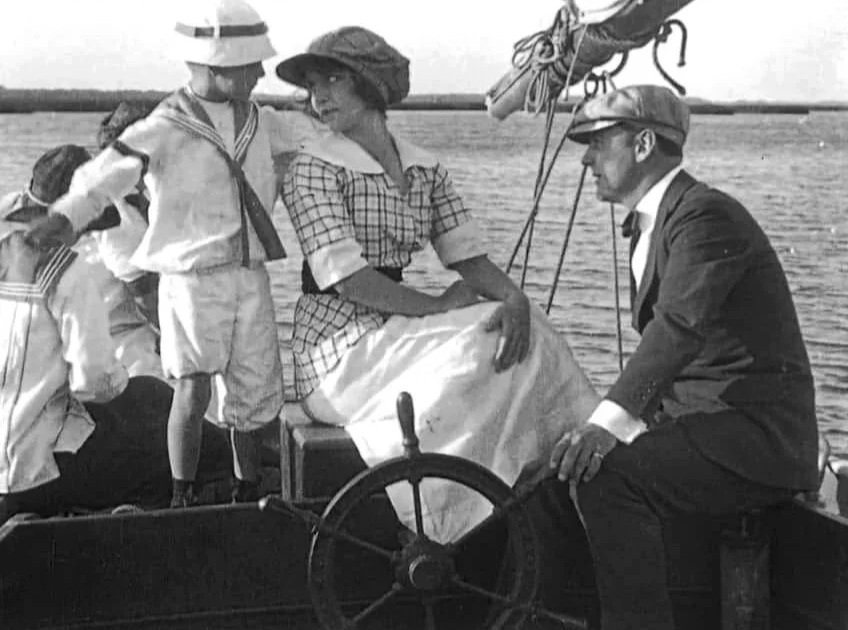
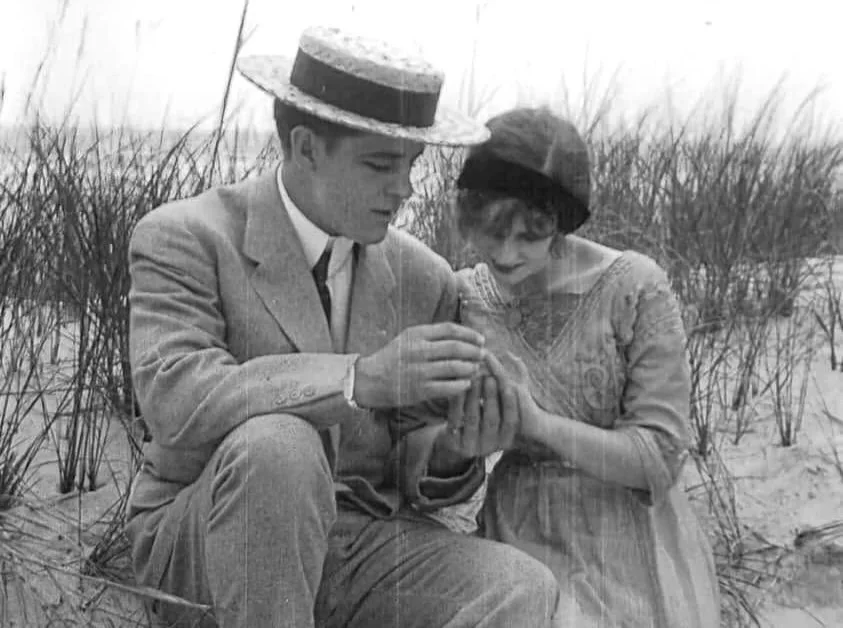
Little Brother, starring La Badie in scenes shot at beaches, Schellenger’s Landing and the harbor, porch of Windsor Hotel (destroyed by fire in 1979), and Cape May Point’s Carlton Hotel, was found along with 75 other American silent films. They were later repatriated to the United States, and restored by the Library of Congress. About 40 percent of the movie’s opening scenes were badly damaged and not repairable, but a nearly seven-minute gem spotlighting Cape May’s participation in early American cinema remains.
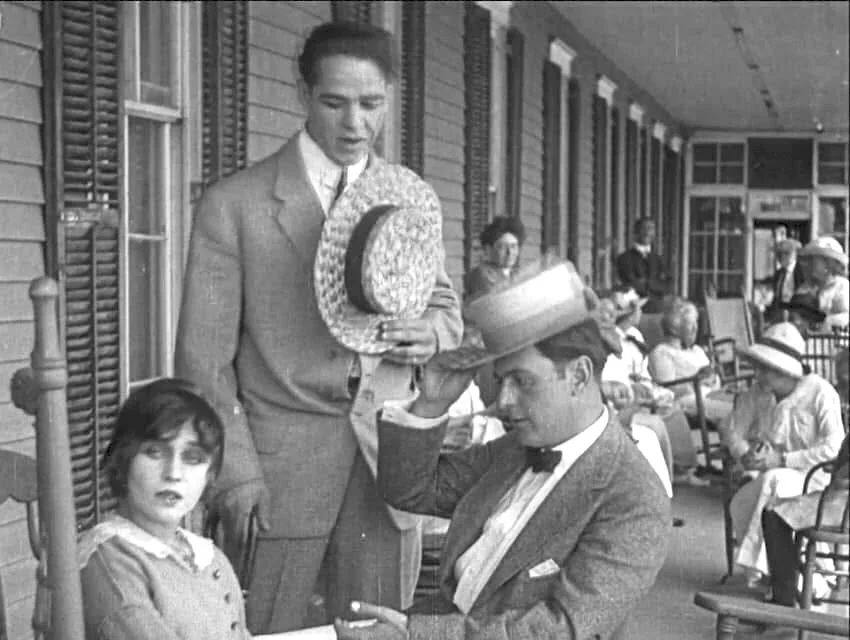
The old Windsor hotel on Beach Avenue.
“Wow. I’m amazed,” says Harry Bellangy, president of Greater Cape May Historical Society. “I had no idea something like that existed.”
Not only a remarkable visual documentation of Cape May’s first foray into the movie industry, Little Brother is the oldest known surviving film of Cape May. Previously, 1927 British Pathé and 1930 Fox Movietone reels depicting Coast Guard training at Sunset Beach and the concrete ship were regarded as the area’s earliest existing moving pictures.
About 80 percent of silent movies from that era are lost: via chemical decomposition or burning of the highly combustible nitrate film, storeroom fires, or dumped in the garbage. Ned Thanhouser, president of Thanhouser Company Film Preservation and grandson of studio founders Edwin and Gertrude, grew up believing the films had been trashed because his grandparents didn’t consider them valuable enough to keep.
You can watch Little Brother for free on thanhouser.org or buy a Thanhouser compilation DVD. Released November 7, 1913, it was the grand finale of Cape May-made films to hit theaters and nickelodeons. The plot? Happily engaged May (played by La Badie) and fiancee Jack (William Russell) break up after he accidentally spills her crabs back into the water. While May’s busy flirting with another fella, her little brother (Leland Benham) concocts a scheme to reunite the pair if dejected Jack agrees to give him $5 for a new bike. He sticks live crabs in Jack’s bed, convinces him to jettison the clinging crustaceans into the ocean, and makes May believe despondent Jack is attempting to throw himself into the sea. May bolts to the beach (without a tag — gasp!), re-engagement ensues, and happily ever after commences.
“It’s hilarious,” says Ned. “It’s a great comedy. I think it’s a good cap to what they were doing when they were there. They were having fun. It was a working vacation.”
“We combined business with pleasure and really caught a lot of crabs,” said Leland in a 1914 Photoplay magazine interview. Fun fact: A Cape May crab pinched seven-year-old Leland’s finger so hard it drew blood, and sobs.
While the other Cape May films aren’t known to survive, a handful of still images exist, as do photos of the Thanhouser-dubbed “Cape May Company” players frolicking on beaches and visiting Corinthian Yacht Club. Wealthy Thanhouser boss Charles Hite (who died in August 1914 when he crashed his new Roadster) even sailed his fancy yacht here for a carefree Cape May weekend. Thanhouser thespians loved Cool Cape May and locals and tourists loved the spectacle.
“They attracted considerable attention when arting for the cameraman,” according to a contemporary Star and Wave story.
Chalamet, Ed Norton and Elle Fanning attracted considerable attention 111 years later in 2024 during filming of Bob Dylan biopic A Complete Unknown. Locals also got a kick out of watching Mitchum and Jan Michael Vincent awkwardly haul an appliance down the Pink House’s back steps during 1971’s Going Home and catching glimpses of scenes shot at the Inn of Cape May for cult horror flick The Prowler in 1980.
Lloyd Lonergan, a longtime Cape May vacationer and the Thanhousers’ brother-in-law, wrote the 1913 silent movies’ scenarios and cinematographer Carl Louis Gregory handled hand-cranking cameraman duties for the one-reel films. Other actors included little Leland’s parents, Harry Benham and Ethyle Cooke, Violet Hite (the boss’s sis), and Fanny Gregory (Carl’s sis). La Badie, amidst a prolific and promising screen career and a top money-maker for the studio, starred in all six films.
The Thanhouser cast and crew stayed in Cape May the last two weeks of August 1913, right smack in the middle of the East Coast’s silent film heyday. By decade’s end, Hollywood fever spread and movie companies fled North Jersey and New York for California. By 1929, “talkies” largely silenced the silent movie biz.
Don’t jump up and throw your leftover popcorn on the floor, though! This plot’s got a new twist.
While I was researching this seaside saga, a very curious July 11, 1914 Cape May Star and Wave article turned up. It contends that scenes for EIGHT Thanhouser movies, not six, were filmed here in 1913. Cape May Farmstead (a 300-acre Lower Township farm owned by Nelson Z. Graves, located on Seashore Road across from No Frills Farm) was reportedly the setting for Twentieth Century Farmer. Cold Spring Village’s Octagonal Poultry House originally stood at the Graves farm. La Badie and Russell paired up for this October 31 release with no known surviving copy. So far, there’s zilch known about a potential eighth Cape May area movie. Thanhouser didn’t promote these as part of its Cape May By-the-Sea series.
Also, the Star and Wave claimed “word has been received” that team Thanhouser planned a Cape May sequel “this summer” to film additional movies. Ned Thanhouser has never heard about an encore Cape May trip and there’s zero supportive evidence.
Five (or six, or maybe seven) Cape May Thanhouser silent films remain undiscovered, but Ned believes chances of finding any are “pretty low.”
“I think we’ve found all the easy, accessible Thanhouser films,” says Ned, who’s devoted the last four decades to promoting and preserving the indie company’s films and legacy. “I’ve scoured for 40 years archives and private collections. I’m lucky these days to find one or two films a year.”
Thanhouser studio, founded in 1909, ceased operations in 1917 rather than making the costly move to Hollywood. Tragically, La Badie would never move to Hollywood either. She died in 1917 at 29 years old from internal injuries sustained in a New York car wreck, the first major film star to die at the peak of her career.
Sadly, Thanhouser’s major star is more frequently remembered for a debunked conspiracy than her stellar acting talent. Despite evidence to the contrary, unfounded rumors still swirl that La Badie was President and former NJ Governor Woodrow Wilson’s mistress, gave birth to and put up for adoption his son, and had her car’s brakes cut by a federal agent on Wilson’s command to cover up the whole sordid ordeal. Additional suspicions surround La Badie’s fiancé, Daniel Carson Goodman, a passenger in La Badie’s fatal crash, who survived and went on to become a Tinseltown executive. Goodman later ended up in a huge scandal of his own with allegations of a murder-coverup never proven.
La Badie was buried in a Brooklyn cemetery and for nearly a century her grave remained unmarked. In 2014, Ned raised $6,000 to finally give her a headstone and some long-overdue recognition.
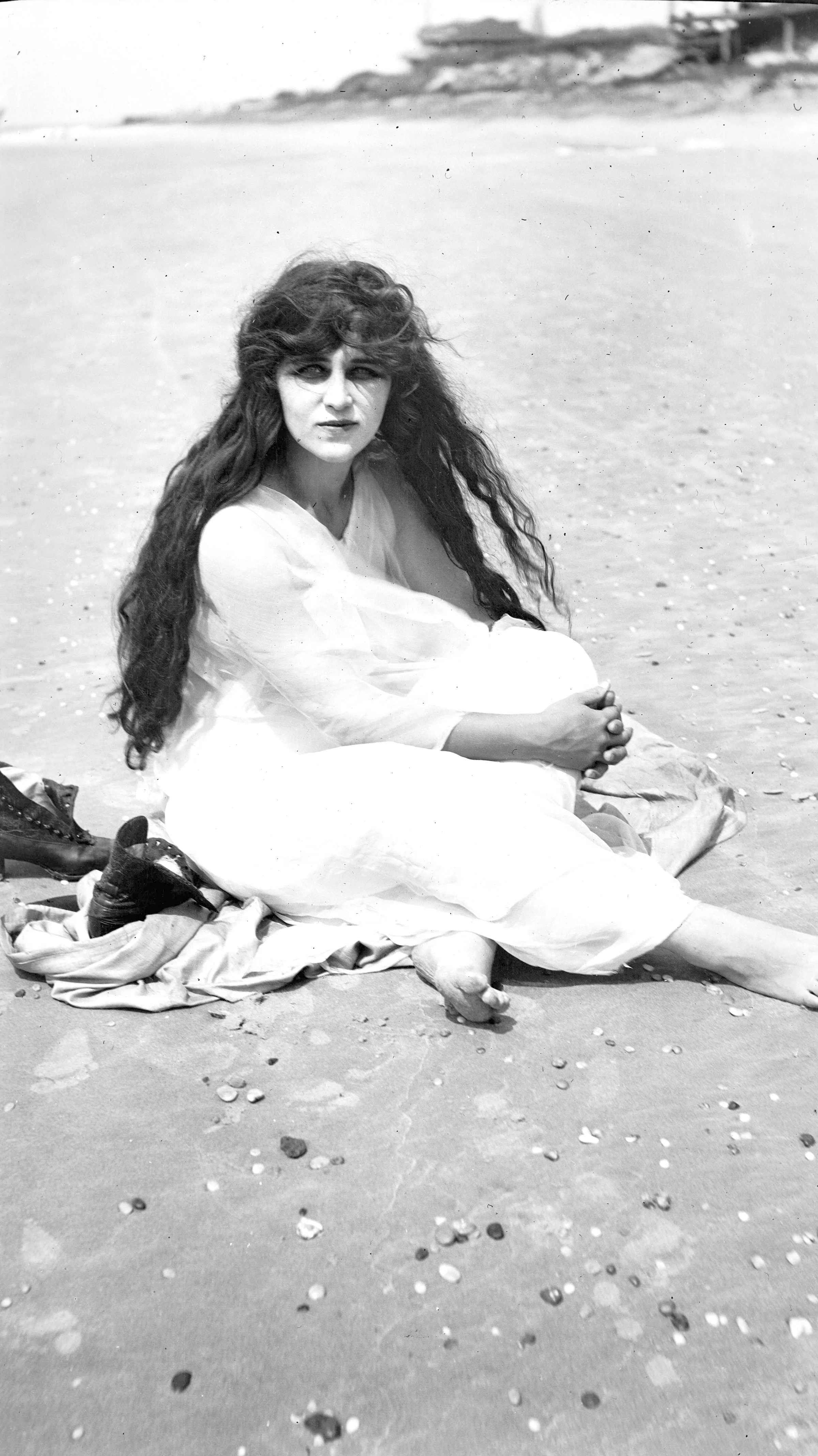
Tragic silent movie star Florence La Badie on the beach in Cape May in 1913.
Credit: Chapman University