50 Years Later... It’s Still A Mad, Mad, Mad Mad World
Fifty years ago, Harry Kulkowitz and Vickie Seitchik opened a restaurant in a faded Victorian hotel with almost no money, woefully inadequate facilities and no particular idea of what they were doing.
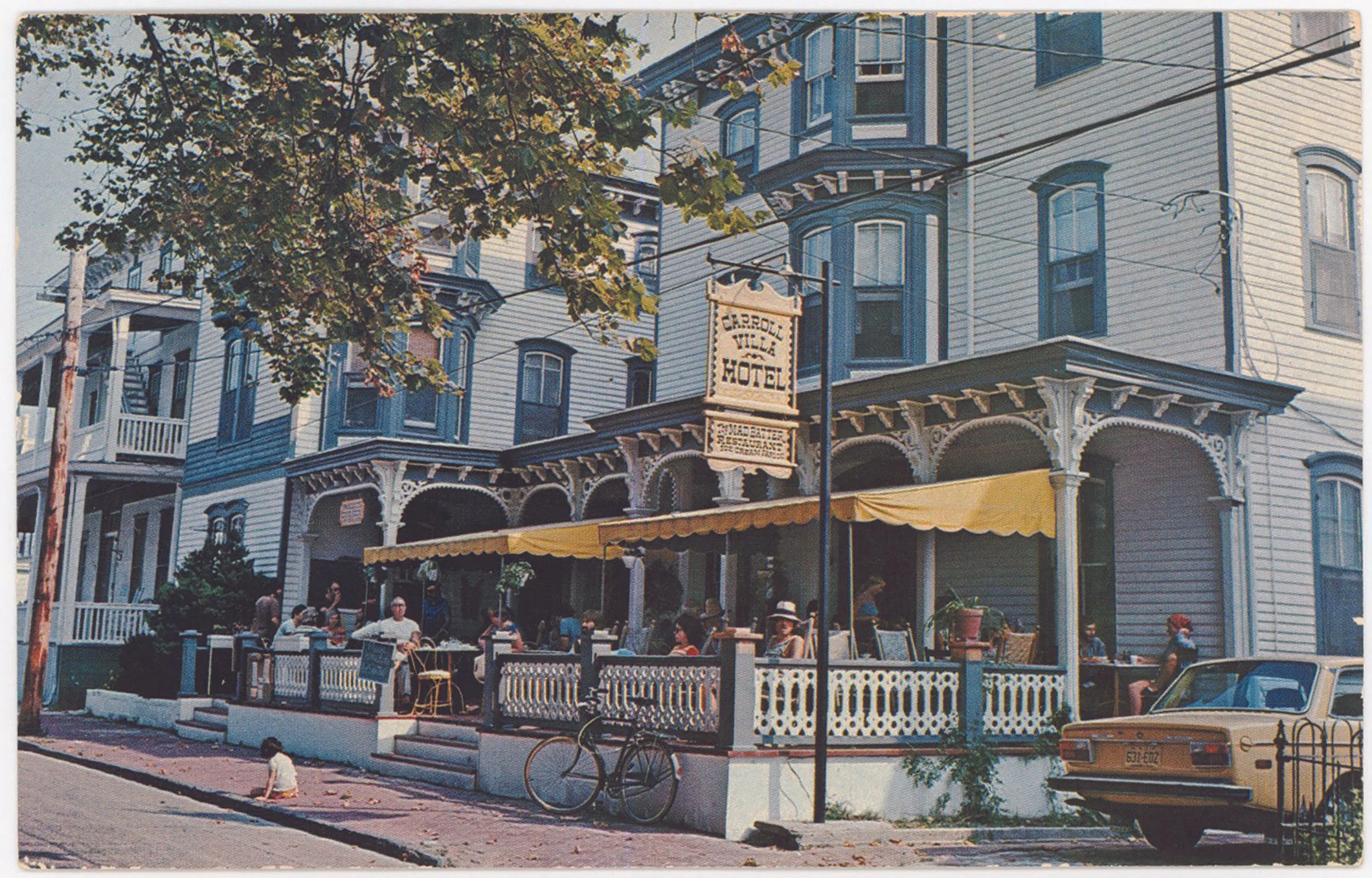
Saturday, May 22, 1976, was the first day of the Mad Batter, halfway along Jackson Street, which back then was a bit decrepit, far from today’s jewel. There was no corporate launch plan. No restaurant consultant hovering over the operation with a clipboard. There wasn’t even much of a kitchen.
There was Harry Kulkowitz, a Bronx-born WWII veteran and former Philadelphia art-gallery owner with big ideas and limited capital; his partner, Vickie Seitchik, who cheerfully admits she knew virtually nothing about the restaurant business; and a collection of artists, musicians, free spirits and assorted characters attempting to turn the dining room of the aging Carroll Villa into something Cape May had never seen before.
“I said yes to the idea because I was sure it would fold within the year,” Vickie remembers. Fifty years later, she’s still waiting.
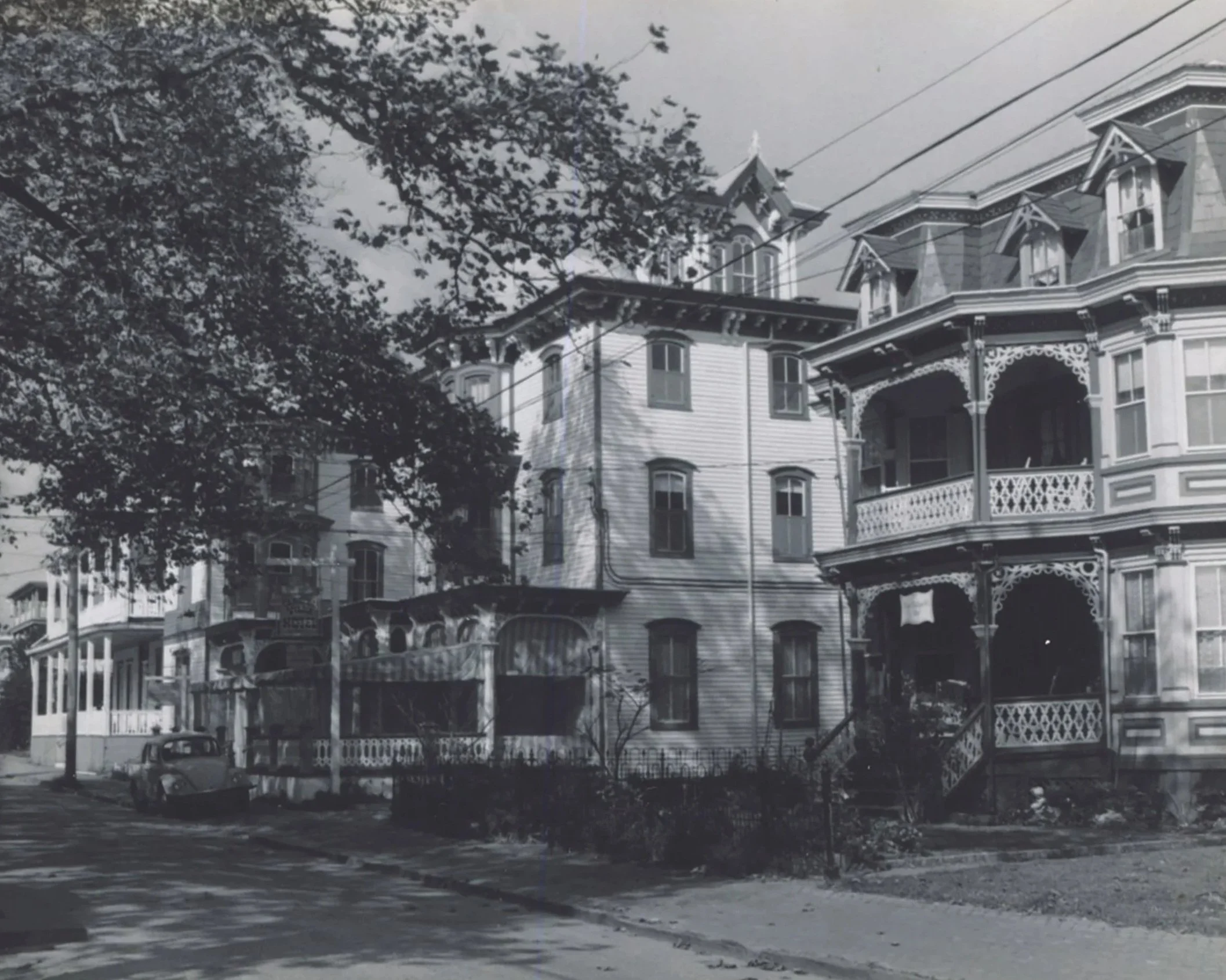
The Mad Batter has survived recessions, hurricanes, changing tastes, changing Cape May, a pandemic and, perhaps most impressively, six decades in the restaurant business. Along the way, the Kulkowitz family bought the Carroll Villa, expanded and modernized the hotel, added a bar and transformed a quirky breakfast joint into one of Cape May’s defining institutions.
And to think it started with a building Harry couldn’t afford. He had arrived in Cape May in the mid-1970s, when the town was a different place. The Victorian renaissance was gathering steam, but this was not yet the Cape May of $500 motel rooms, packed Washington Street restaurants and wedding weekends booked two years in advance.
It was, as former Mad Batter employee Janis Quiggle remembers, “a hippie, let’s-go culture… a counterculture.”
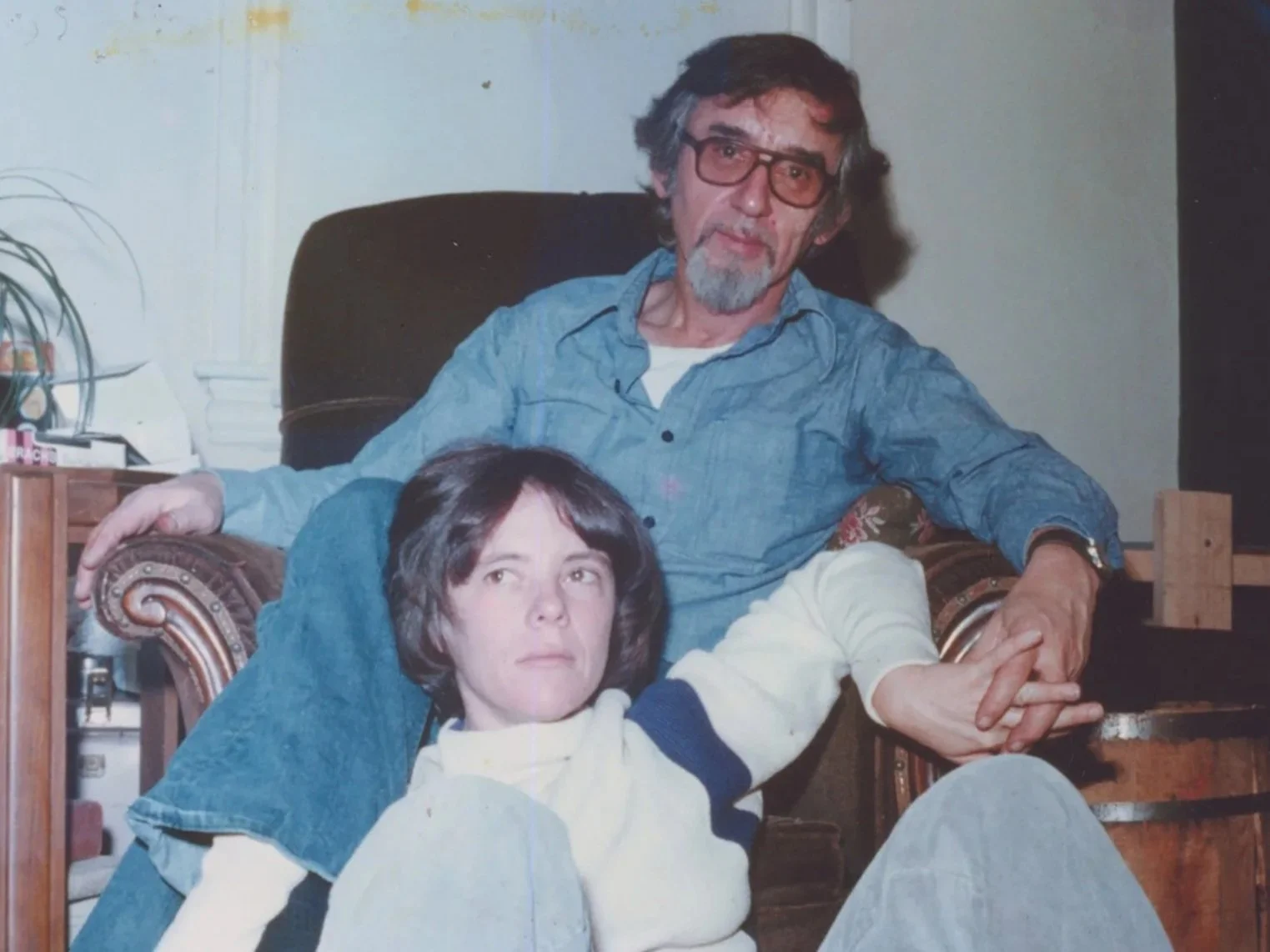
Harry Kulkowitz and Vickie Seitchik, pictured in 1975.
Harry saw something in the town. He also saw something in the Carroll Villa, the 1882 hotel then owned by the Thoden family. In 1976, Harry leased the dining room with an option to eventually purchase the property. He didn’t have enough cash to pay even the modest first year’s rent, so part of the deal involved painting the building.
Among the people recruited for that job was a young woman named Pam Huber, who would go on to have quite an influence on the life of the Mad Batter.
Harry’s vision? He wanted a place with wonderful food, art, music, interesting people and the kind of atmosphere where nobody seemed terribly interested in telling you it was time to leave.
The execution was slightly less polished. Vickie remembers the first breakfast bringing in a total of $62. She looked at the prices they had penciled onto the menu and realized there was a fundamental problem with the business model. So she doubled them.
There were other mishaps. In fact, the whole operation had the air of a dinner party that had somehow gotten out of hand and turned into a business.
But something was happening. The Batter attracted creative people because Harry attracted creative people. Artists hung around. Musicians played. Talented cooks wandered in. Susana Trilling arrived by bus from Philadelphia carrying a shoebox of food samples and became the dinner chef (and later an acclaimed culinary teacher, author and TV host). The dining room played classical music while, Janis Quiggle remembers, the kitchen had “Motown blasting,” she says. “Two worlds.”
Harry could be charismatic, generous and maddening, often within the same five minutes. He was famously particular about how things should be done. And yet people stayed. They learned. They became friends.
Photographer Vince Cianni, who worked at the Batter in the 1980s, remembers the place as “totally iconoclastic… totally eclectic, and bizarre. Bizarre,” he says. “And that’s what I loved about it.”
The restaurant struggled through its first couple of years. But word spread. Cape May itself was changing. Visitors were rediscovering its Victorian architecture, restaurants were becoming a larger part of the experience, and the Mad Batter was perfectly positioned for the transformation.
In 1979, Harry bought the Carroll Villa. By then, another Kulkowitz was edging into the picture. Harry’s son Mark had been serving with the US Army in Germany, before heading for Cape May in the early 1980s. If anyone expected being the owner’s son to provide a cushy executive position, they had not met Harry. Mark learned the operation from the ground up, working the kind of hours familiar to anyone who has ever owned a restaurant and horrifying to everyone else.
The father-son relationship wasn’t always easy. Harry was a formidable personality, and Mark had to find a way to take what his father had created and make it his own.
Over time, he did. By the late 1980s, Mark was effectively running the operation. Beside him was Pam, who had helped paint the building before the restaurant opened.
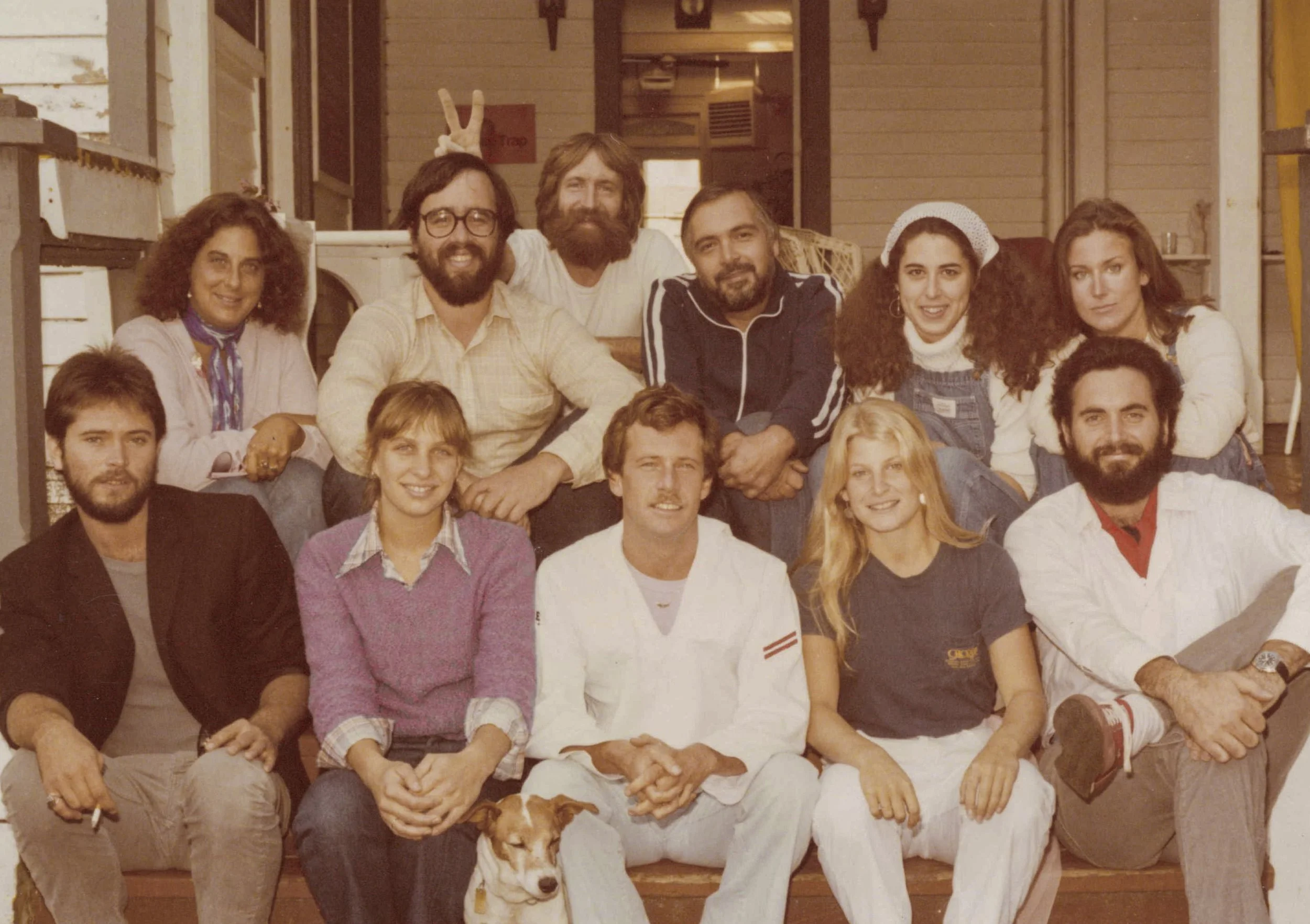
Mad Batter staff in the early 1980s: Back row, Mindy Silver, Mark Kulkowitz, Duncan Wilson, Rick Salveno, Gina Gerard, Claudia Gittings Von Savage.
Front row, Joe Lotozo, Pam Huber, George Pechin, Nancy Lesson, Denis Finley, Sam the dog.
Together, Mark and Pam began the long process of taking the Batter from Harry’s glorious experiment to a more sophisticated operation without destroying the eccentricity that made people love it in the first place.
That is harder than it sounds. Restaurants have a tendency to become victims of their own nostalgia. Change too much and the regulars complain that you’ve ruined the place. Change too little and eventually nobody comes except the regulars.
Mark and Pam navigated the middle. The Carroll Villa evolved from an old-fashioned hotel with 31 rooms and eight bathrooms into a modern 19-room inn. The restaurant expanded. The porch changed. Kitchens improved. Menus evolved.
Then came a huge gamble. For its first quarter-century, the Batter was BYOB. In 2001, the Kulkowitz family purchased a Cape May liquor license for $800,000 — a remarkable sum at the time.
It proved transformative. The new bar gave locals another reason to use the restaurant, expanded the evening business and helped turn the Batter into something more than a place visitors remembered from vacation.
“It turned out to be a great business move,” Mark says. But some things didn’t change. The art was still there. So was the music. So were the personalities. And so was the philosophy Harry had embedded in the place.
“Most of what is expansive in my life, Harry had a hand in influencing,” Mark says.
Now that influence has reached another generation. Mark and Pam’s children grew up around the Batter, as restaurant kids do — absorbing the rhythms of the business whether they wanted to or not. Their son Kyle went away, living in Arizona, Oregon, California and Hawaii before eventually finding his way back to Cape May.
Today, he is general manager of the Mad Batter and the Cricket Club, the family’s newer restaurant, acquired in 2022. His sister Marta has also been long embedded in the organization, while younger sister Tessa is pursuing a different life in Spain.
After watching two generations before him devote enormous portions of their lives to the business, Kyle has learned something that Harry himself might have appreciated. “Never, never, never put this business above your family,” he says.
Restaurants aren’t supposed to last 50 years. Trends change. Families change. Towns change. Owners burn out. Customers move on.
The Mad Batter changed, too. But somewhere beneath the renovated hotel rooms, modern kitchen, expensive liquor license and a half-century of accumulated polish, Harry’s original idea is still recognizable.
Put interesting people in a beautiful old building. Give talented cooks enough freedom to surprise them. Hang art on the walls. Turn on some music. Feed everybody well. Then see what happens. Harry Kulkowitz did that on May 22, 1976. Fifty years later, the Batter is still rising.