
Harriet Tubman And The Story Of Black Cape May
When you consider the things for which Cape May is known, racial diversity won’t top any lists. But the truth is, a substantial Black presence shaped this place for generations, and a wave of markers, restorations, programming and public history is trying to give that legacy the space it deserves.
The area around Lafayette and Franklin Streets has always been a hub of Black history, and that’s where a big part of that story is being told, anchored by the Harriet Tubman Museum, which opened in 2020 in the former parsonage of the Macedonia Baptist Church.
Tubman came to Cape May for several summers in the early 1850s to earn money for her Underground Railroad missions, taking jobs in hotels and homes as a cook and domestic worker. After the summer of 1852, Tubman returned south and led nine enslaved people to freedom (in total, she’s believed to have freed nearly 80 people in a dozen missions).
Cape May’s geography mattered. Sitting at the edge of the Delaware Bay, it offered access to coastal routes that could help people move north. For freedom seekers crossing from Delaware or Maryland, this region could mean the difference between capture and escape.
When the Civil War began, Tubman worked for the Union Army, first as a cook and nurse, and then as an armed scout and spy. For her guidance and oversight of the 1863 raid at Combahee Ferry in South Carolina, which liberated more than 700 enslaved people, she is widely credited as the first woman to lead an armed military operation in the US.
Another major Cape May connection to the Underground Railroad is Stephen, Smith, a self-emancipated slave who became reportedly the nation’s wealthiest Black businessman. He also happened to be a conductor on the Underground Railroad.
Smith was a national leader in the African Methodist Episcopal Church and founded Cape May’s AME Church, on Franklin Street, a few doors down from his house on Lafayette Street, which became the subject of a fascinating story of resistance to urban renewal during the mid-60s.
When Cape May was bulldozing large tracts of what was mainly Black-occupied homes on Lafayette Street as part of a $3.2 million revitalization, Amelia Hampton, then the owner of the Stephen Smith House, refused to hand over her home to the city for demolition. She sent a telegram to President Lyndon B. Johnson urging him to spare the property.
Reportedly, an assistant to LBJ spoke to officials at the Department of Housing and Urban Development. The result? Smith’s house was left untouched.
Over the years, the Hampton siblings who inherited the home have been attempting to raise funds to restore the building in order to have it function as part of a Black history tour.
At one time (probably peaking in the 1920s and 30s), nearly a third of Cape May’s population was Black, owning around 60 businesses.
But freedom in the North came with boundaries. Even after slavery ended, segregation shaped daily life. Here in Cape May, nowhere was that clearer than at Franklin Street School.
The school opened in 1928 specifically for Black children, replacing an earlier, inadequate arrangement. It remained open until 1948, when New Jersey’s new constitution finally outlawed segregated public schools.
Today, that same building has taken on new meaning, reopening as the city library, and the HQ of the Center for Community Arts, which for 30 years has promoted the city’s Black history.
Segregation didn’t stop at the classroom door. For decades, Black travelers visiting Cape May were barred from most hotels. In response, five Black-owned or Black-only hotels sprung up in the city.
The 50-room Hotel Dale, on Lafayette Street (now the site of the Boarding House) was the largest and most prominent. Among other amenities, guests could view games at Cape May Golf Club across the street from their veranda. Here’s the catch: Blacks were barred from actually playing the course.
Hotel Dale remained in business until 1935 when owner Edward Dale, who also operated an opera house on the location now occupied by OceanFirst bank, sold all of his Cape May properties and left the area.
The building was demolished and, in the 1960s, became the Planter Motel, run by John Nash, a family friend of Dale’s, and his wife Dolly.
The name was inspired by Dolly’s great-grandfather, Civil War hero Robert Smalls. An enslaved man from Beaufort, South Carolina, Smalls was only 23 when he engineered a remarkable feat: in the midst of the Civil War, he commandeered a Confederate ship, CSS Planter, and delivered its 16 passengers from slavery to freedom.
News of Smalls’ exploits reached all the way to President Abraham Lincoln. Smalls traveled to Washington to meet with Lincoln, where he reportedly helped to persuade him to permit Black men to serve in the army.
These Black hotels weren’t simply accommodations — they were hubs of social life. They hosted musicians, families and vacationers who were otherwise excluded from Cape May’s mainstream hospitality scene.
If segregation narrowed access to public spaces, Black churches expanded the sense of community.
Churches like Macedonia Baptist offered stability, mutual aid and leadership when few other institutions did. As for the Allen African Methodist Episcopal Church (founded by Smith), it’s entered a new chapter. After a devastating fire in 2018, the building was restored and reborn last summer as the home of East Lynne Theater Company.
These are just snippets, of course, from the city’s Black history. As well as (obviously) immersing yourself in the Harriet Tubman Museum, I recommend taking a self-guided walking tour from the Center for Community Arts, which (if you’ve been paying attention) you’ll know is based at the library at 720 Franklin Street.
But that’s not all. Cape May MAC currently has an exhibit which is a must-see. Called “Black Legacy of Historic Cape May: Unexpected History”, the exhibit is on show at the Carroll Gallery in the Emlen Physick Estate, through April 12, 2026.
Segregation shaped Cape May. It determined where Black children learned, where Black visitors slept, and which histories were celebrated — and which were ignored. But history isn’t static. What we choose to preserve, reinterpret and talk about says just as much about the present as it does about the past.
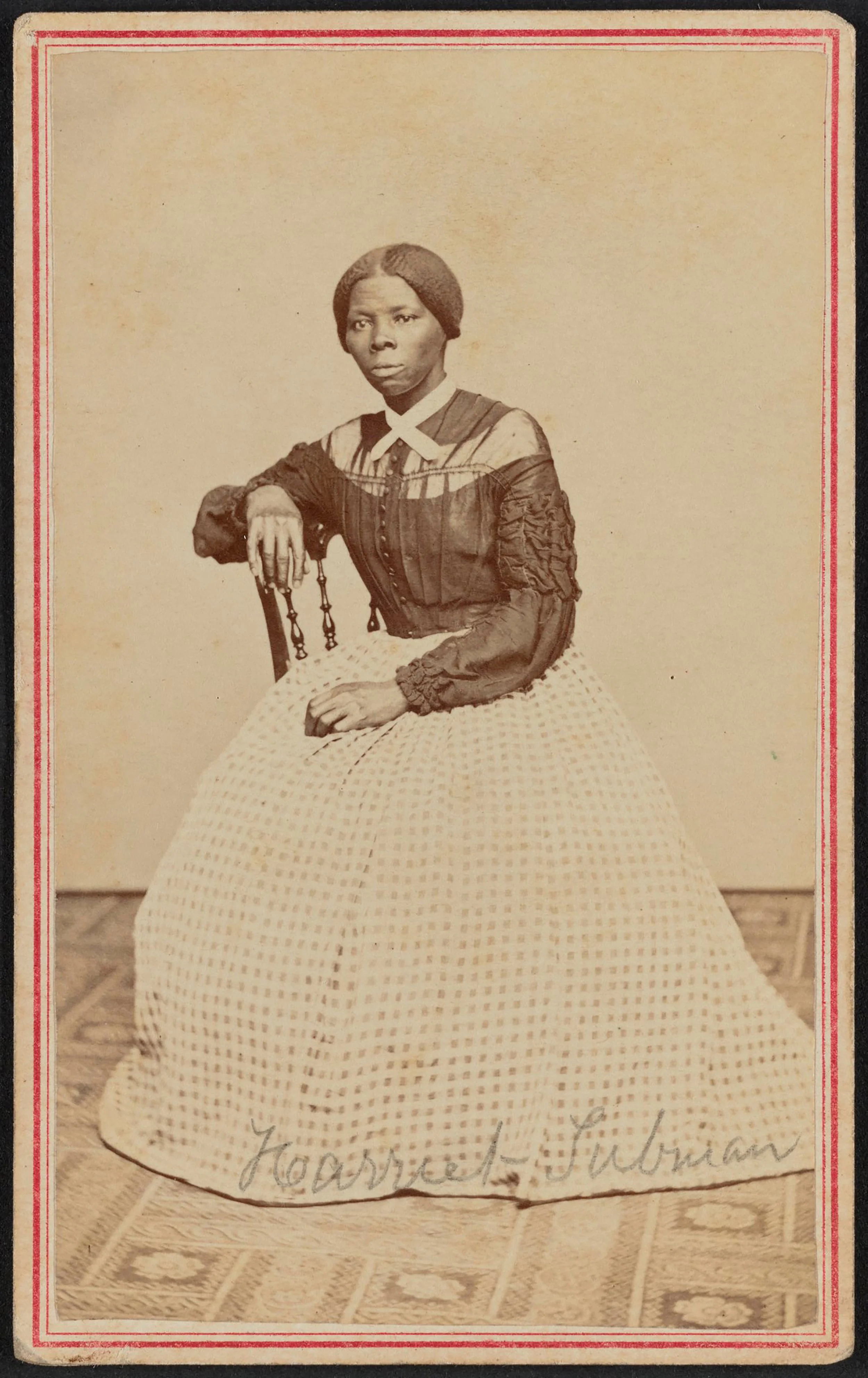
Harriet Tubman at 46 in a photo from 1868.
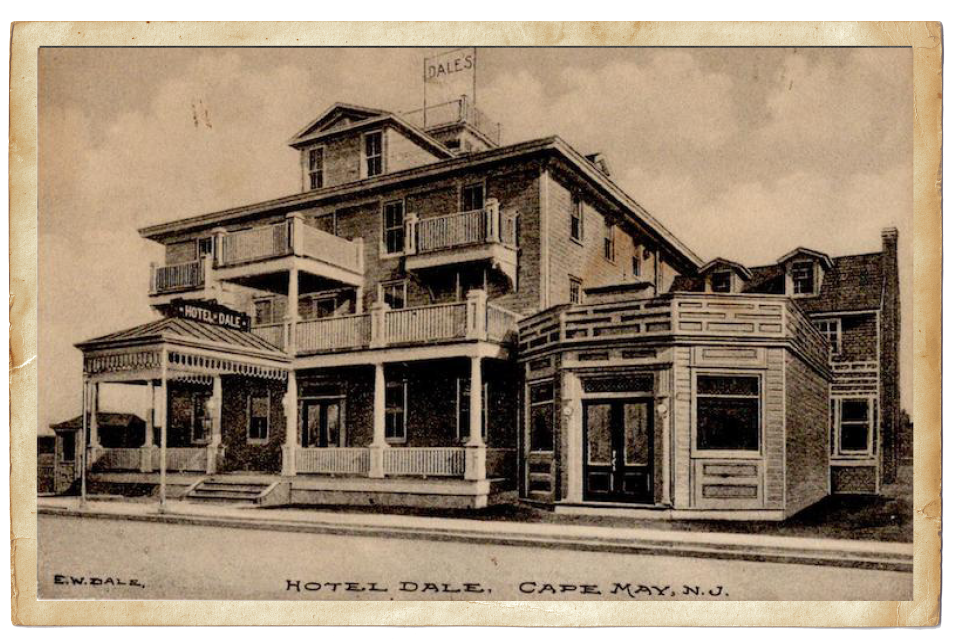
The Hotel Dale was one of five Black-owned hotels in Cape May at a time when segregation was rife.
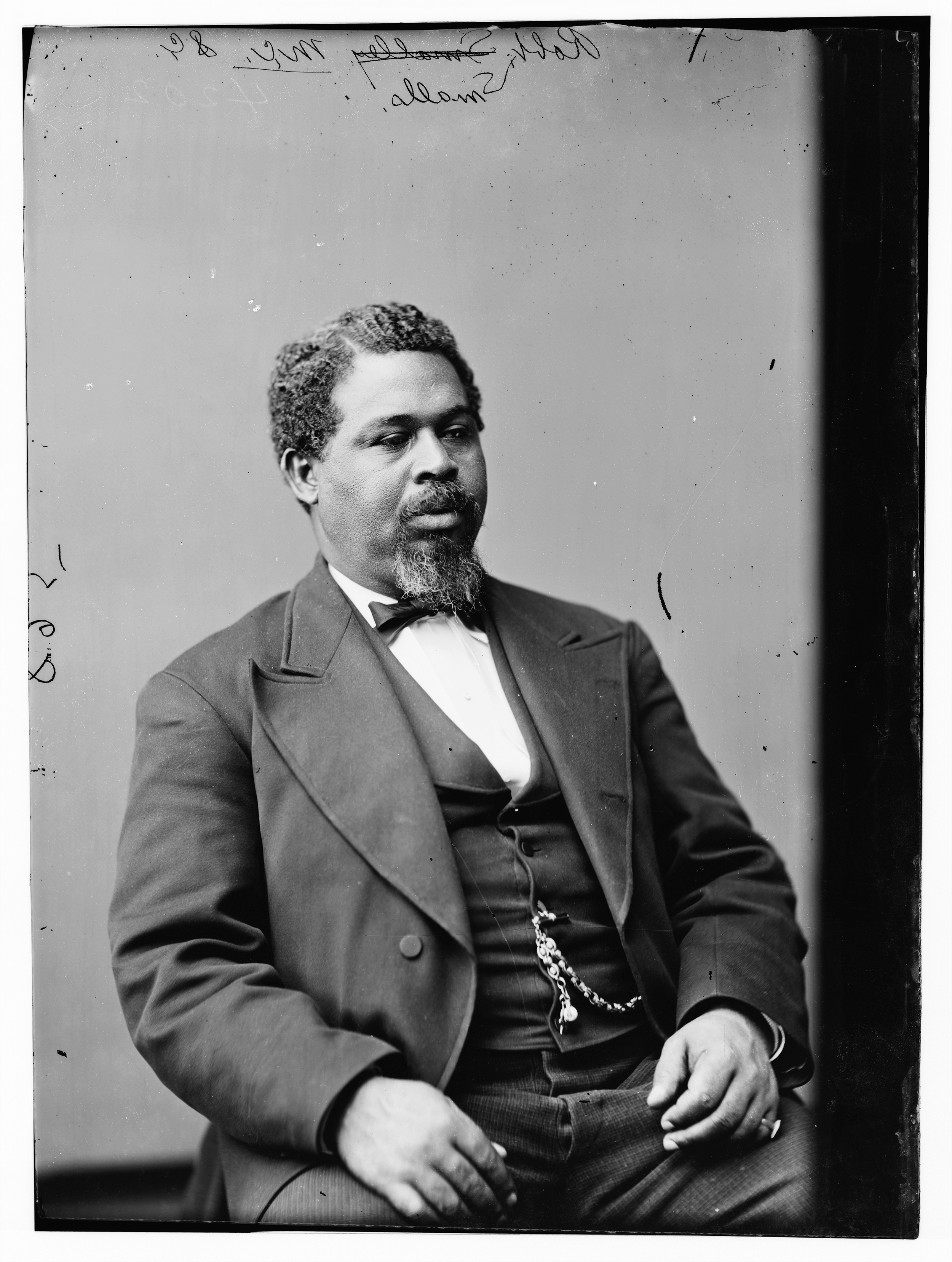
The Planter Motel (which replaced the Dale) was named in honor of Civil War hero Robert Smalls. It’s now the Boarding House hotel.
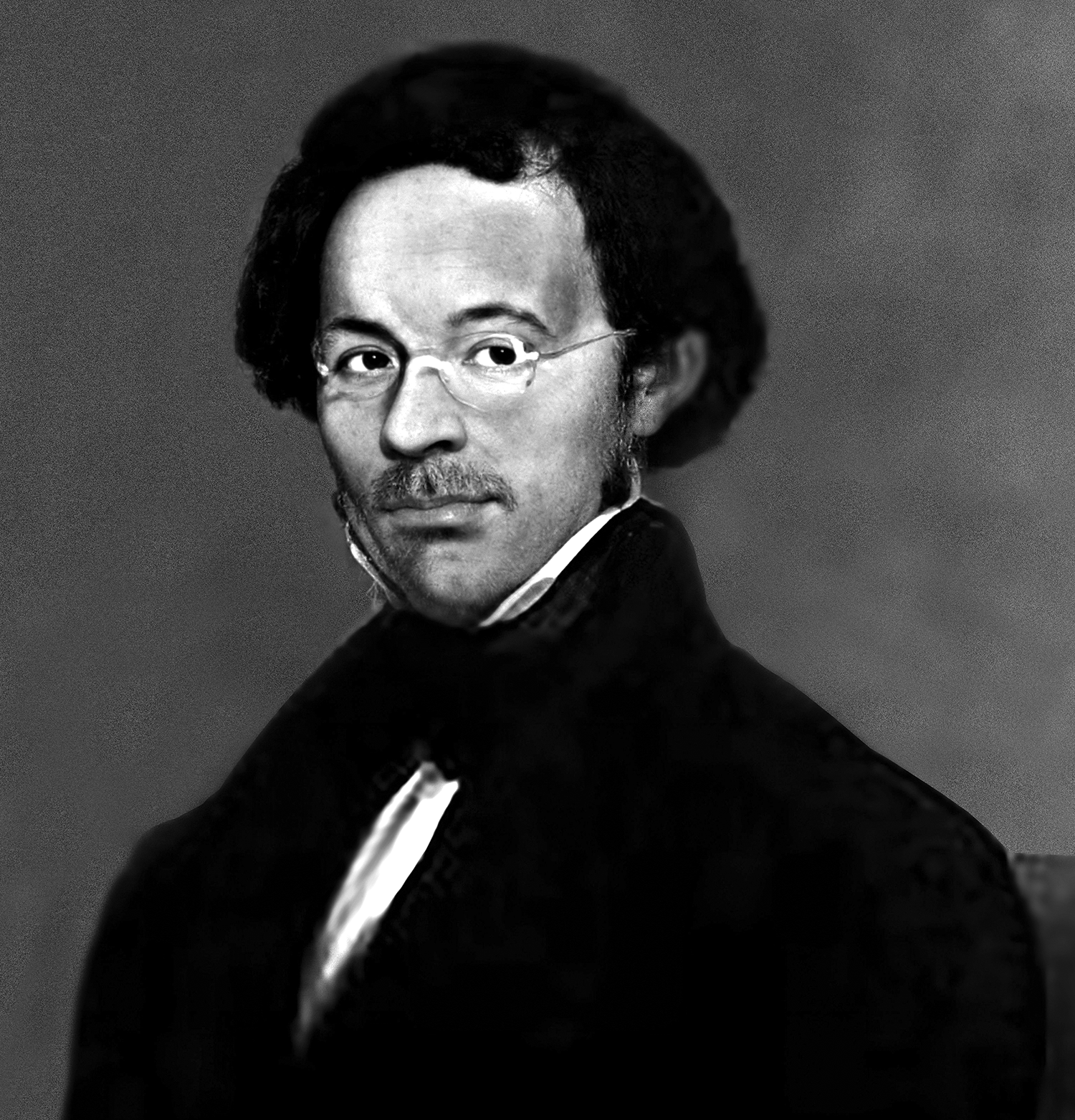
Stephen Smith was once the richest Black man in America. His home remains on Lafayette Street.