Stormy Start To A Festival That Transforms Our Island
You could say that Michael Kline has a knack for arriving with the storm. This is not, to be clear, a recommended business model. He left New Orleans in 2005 with his son Miles in the aftermath of Hurricane Katrina. And when Michael launched Exit Zero Jazz Festival in Cape May in 2012, Hurricane Sandy had just given the Jersey Shore a mighty Biblical smackdown.
Asked how the debut went, right there in Sandy’s soggy aftermath, he deadpanned: “Swimmingly. So lucky Convention Hall was protected by a mountain of sand.” Then came the old promoter’s rimshot: “How do you become a millionaire promoting jazz? Start with five million. Brrrrrmp-bump.”
I’ve known Michael for about 15 years, and that sums him up pretty well: calamity at the door, a little gallows humor, and the firm belief that the show should go on... unless the roof has departed for Delaware.
Exit Zero Jazz Festival has now become such a Cape May fixture that it feels as if it has always been here, like the lighthouse, the Lobster House, and people arguing over whether the beach tags are still in the glove compartment. But Michael’s festival was not inevitable. It was assembled out of memory, exile, nerve, taste and an unusually high tolerance for logistical terror.
He grew up in Reading, Pennsylvania — “home of the Reading Phillies and the Reading Railroad” — but Cape May entered early. His family bought a fishing shack in the Villas when he was around four. “Every Friday night from Memorial Day to Labor Day we climbed in the car and made what was then a five-hour drive from Reading to the Villas,” he says. The place had three rooms and an outhouse. It eventually grew into a proper family home, the sort of Shore transformation that happens one paycheck, one hardware-store run, one impossible plumbing decision at a time.
His first musical education was domestic. “The love of music comes from my mom and dad,” Michael says. His father won one of those great big console stereos around Christmas Eve 1968. “We had just a few albums but dad had good taste — Ella Fitzgerald, Sara Vaughn, Sammy Davis Jr, Lou Rawls, that kind of thing.”
Michael moved to the Big Easy in 1992 and found his way to WWOZ, the roots-music radio station. He started behind the microphone as a jazz DJ, then inserted his way inside the machinery of the jazz business — booking and managing touring schedules for artists such as Terence Blanchard, Robert Glasper, Lizz Wright and Charlie Hadens.
Of that steamy southern city, Michael says: “My darling New Orleans, the most soulful city in the world. It has a food, music, culture that is all its own. New Orleans is like a woman you fall madly in love with but you know she’ll break your heart — and you love her anyway because what else could you do?”
It’s likely true to say that New Orleans formed him. WWOZ trained his ear. The booking world trained his nerve. The city trained his sense that music should not be precious. It should move through streets, bars, restaurants, porches, hotel lobbies, and anywhere else people are willing to stand still long enough to be ambushed by joy.
Then Katrina came.
“Standing in the house in New Orleans watching Katrina eat the Gulf of Mexico necessitated a sense of urgency,” he says. His son Miles had spent much of that summer in Cape May with his grandparents while Michael was in Europe with Terence Blanchard and Robert Glasper. Cape May was familiar. He needed only a laptop to work. “We left New Orleans on a Saturday night, got here Sunday night, and Katrina hit Monday morning. The levee right by Miles’ school gave way Monday afternoon so I knew we weren’t going back anytime soon. He was enrolled in school here by Wednesday. Still here.”
Cape May, meanwhile, had its own jazz story — the old Cape May Jazz Festival had run for years before ending in 2010. Michael stepped into the breach in 2012, naming his festival for the last exit on the Garden State Parkway, though he preferred the written ZERO to the numeric 0 and did ask for, and receive, my permission for using that moniker. I was happy to share!
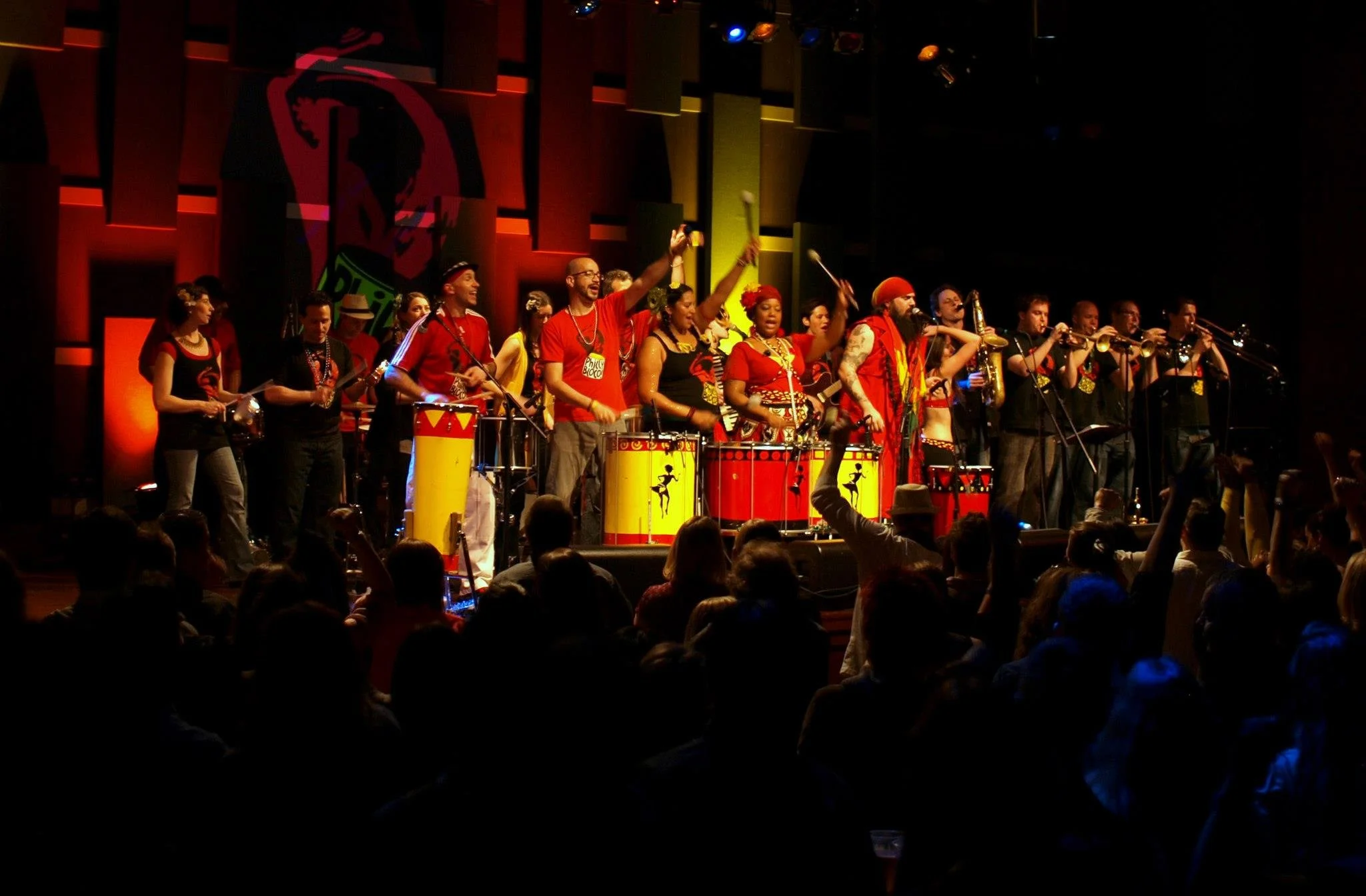
The first festival arrived almost absurdly on schedule after Sandy. Around 20 artists played in eight walkable venues, giving it a New Orleans feel. That was always the trick. Michael was not trying to drop a polite concert series into town — he was trying to turn Cape May into a music village.
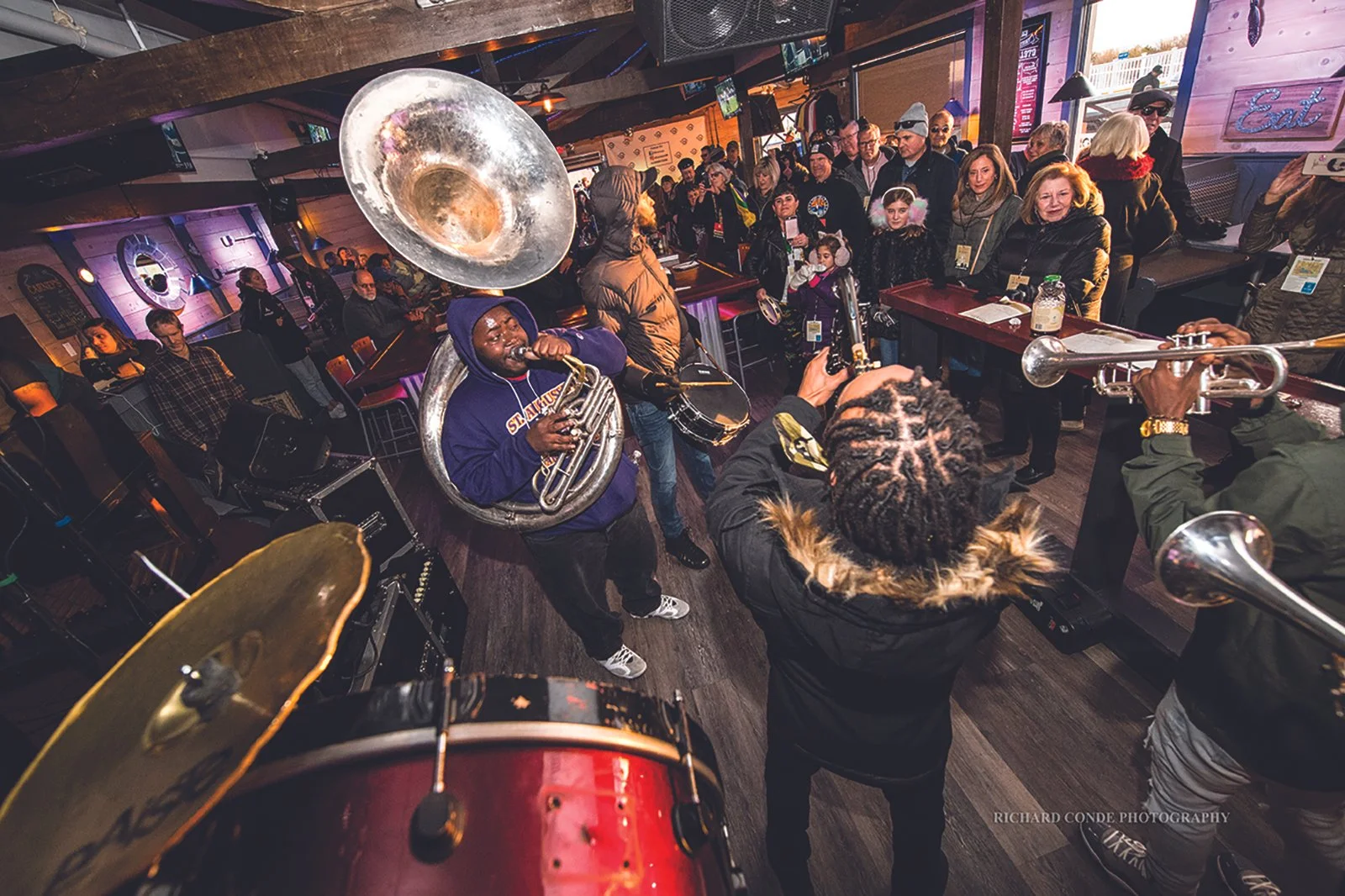
That remains the festival’s great charm. Yes, there are marquee stages and serious names, but the real dopamine hit is the stumble-upon. “I think that’s one of the coolest vibes the fest brings,” he says. “Imagine stumbling upon Davina and the Vagabonds or Red Baraat in Carney’s.”
Over the years, the names have become almost comically large for our little island. The festival has brought in Wynton Marsalis, Chick Corea, Pat Metheny, Ron Carter, Charles Lloyd, Dianne Reeves, Eddie Palmieri, Dr. John, Jon Batiste, Pat Martino, Cécile McLorin Salvant, Omar Sosa, Samara Joy, Terence Blanchard, Dee Dee Bridgewater and Kenny Garrett. At this year’s spring festival, which is this weekend, add Miles Electric Band, Ravi Coltrane and Orrin Evans to the list.
But Wynton was different. Wynton was a flag planted in the sand.
In 2015, when Michael learned that Jazz at Lincoln Center Orchestra with Wynton Marsalis might be possible, he compared the feeling to being washed in “the last rays of a blazing Cape May sunset.” Then reality returned. “The man does not play for cheap,” Michael says. “He’s not coming for a vacation and doing a gig or two around town in exchange for a nice stay in a local B&B.”
That is the unglamorous line behind every glamorous night. Somebody has to book the artist, find the room, raise the money, sell the tickets, calm the city, move the shuttle, pray over the weather... and pretend that all of this is normal.
Michael’s highlight reel is part promoter’s résumé, part family album. Sure, with his promoter hat on, he names “booking legendary artists.” But the brighter moments are smaller and more human: Pedrito Martinez and Davina and the Vagabonds “absolutely mesmerizing the crowd in Carney’s”; his grandson second-lining with his dad in Cape May; and “hearing the sound of Wynton’s trumpet on a full moon night at the Physick Estate in October 2020.”
That 2020 edition deserves its own plaque. While much of the music world was still trying to figure out whether livestreams could replace sweat, Michael pushed toward live, outdoor, careful, in-person music. “I didn’t want to just do it online,” he says, “because I really think that the magic that happens between the audience and the band can’t be replaced with streaming.”
That is the whole Exit Zero Jazz Festival argument in one sentence. The magic is the room. Or the lawn. Or Carney’s. Or the Washington Street Mall when a second line rolls through and a toddler starts dancing like he just got tenure at Preservation Hall.
Cape May has changed since Michael Kline’s younger days. The beaches, the seasons, the cost of doing business, the whole strange economy of charm — all altered. “When we launched Exit Zero Jazz there was still a shoulder season,” he says. “A lot of hotels were not open those first few Novembers, and the bars opened for the festival and closed back up until the next festival in the spring.”
Despite the hurricanes, the budgets, the late nights, the artist riders, the weather apps, the phone calls, the little disasters that audiences never see, Michael still seems bewitched by the same thing that got him into this mess in the first place.
Turn up at one of the many venues this weekend, and you’ll get to witness the magic, too.
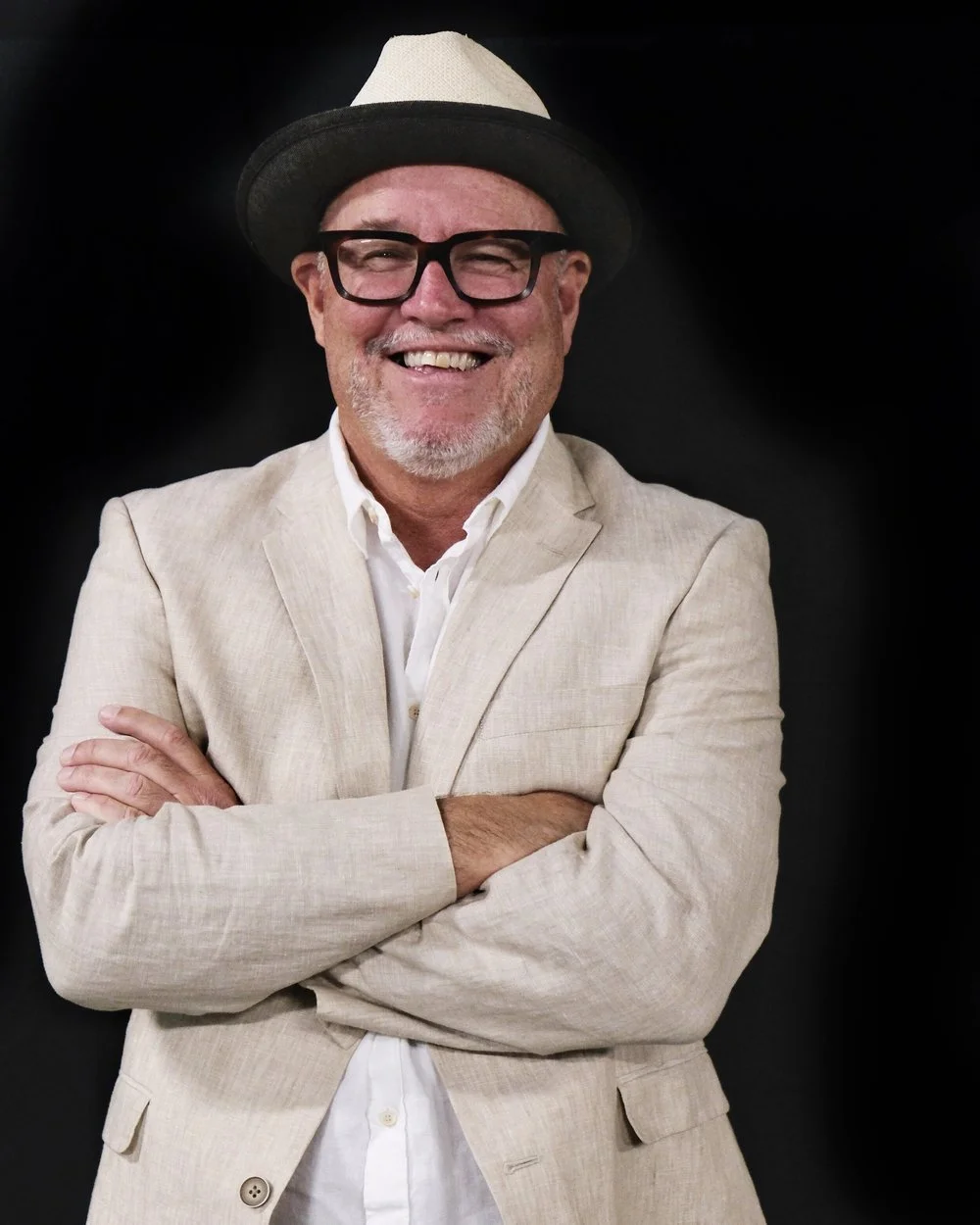
Michael Kline launched Exit Zero Jazz Festival in 2012.
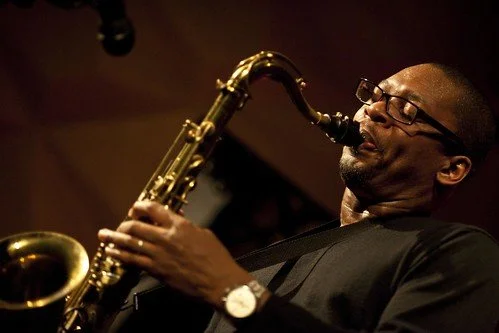
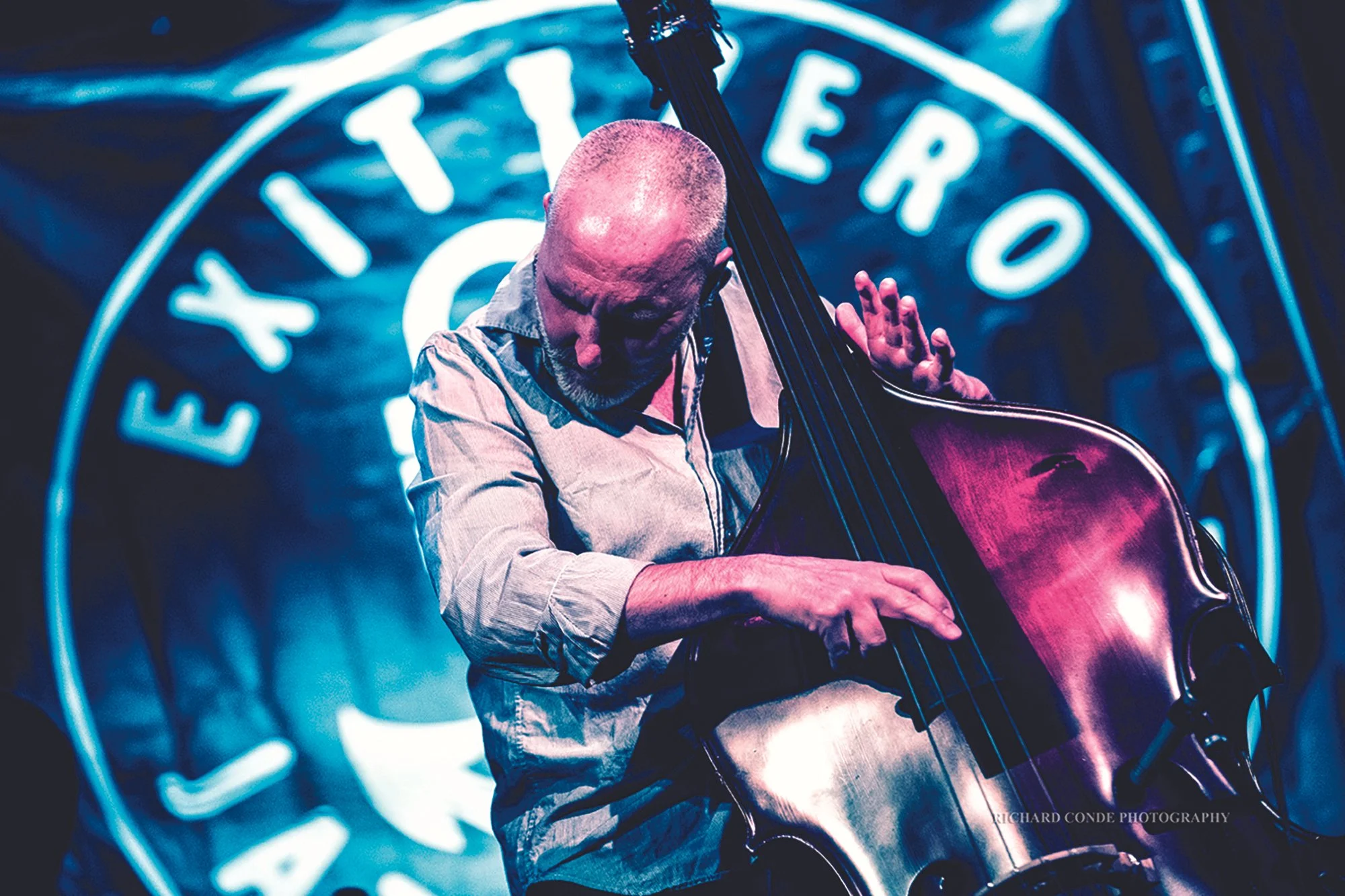
A headliner at this weekend’s Exit Zero Jazz Festival is Ravi Coltrane, son of jazz legends John and Alice Coltrane, and a GRAMMY-nominated saxophonist. He’s playing Convention Hall this Sunday.